Demand Generation in 2026: The Complete Framework for B2B and DTC Growth
Demand generation is the discipline that fills your entire funnel—not just the bottom. Learn how to build a system that creates awareness, captures intent, and converts strangers into revenue.
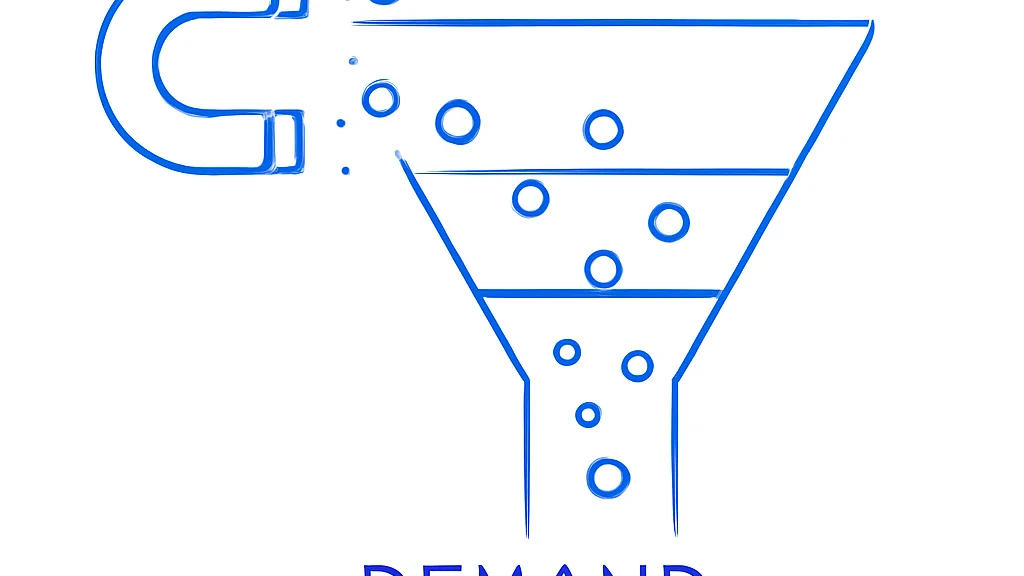
Most marketing teams are not running demand generation. They are running lead generation and calling it demand gen.
The distinction matters more than ever. Lead generation captures demand that already exists. Demand generation creates it. One is a fishing rod; the other is stocking the lake. If you only fish, you eventually empty the lake—and wonder why CAC keeps climbing.
This guide explains what genuine demand generation looks like in 2026, how to structure it, and which levers actually move the needle.
What Is Demand Generation?
Demand generation is the set of activities that makes your target market aware of the problem you solve, convinced your solution is the right one, and ready to enter your funnel when the time is right.
It operates across the full funnel:
- Awareness: Getting in front of people who don’t know you
- Education: Teaching them why your category matters
- Preference: Differentiating your solution before they ever talk to sales
- Activation: Converting warm demand into pipeline
Lead generation is only the final step. Demand generation is the entire system that makes that step possible—and profitable.
Why Demand Generation Has Become More Important
Three structural shifts explain why demand gen discipline is now a competitive advantage:
1. Buyers research before they reach out. In B2B, the average buyer is 70% through their decision before contacting a vendor. In DTC, they have already compared you to three competitors. The team that educates them during that silent research phase wins the deal before it is even opened.
2. Privacy changes have degraded bottom-funnel efficiency. As third-party signals deteriorate, performance channels have become less effective at targeting cold audiences. The brands generating demand through content and earned channels are building first-party pipelines that don’t erode over time.
3. AI-generated content has commoditized information. Any generic answer is now available in seconds. What creates demand is a distinctive point of view, a unique methodology, a brand voice people trust. That only comes from demand generation done well.
The Four Pillars of Modern Demand Generation
1. Category Content
The foundation of demand generation is content that educates your market on the problem—not your product. Category content answers the questions your buyers are asking before they know they need you.
Effective category content:
- Addresses symptoms your solution fixes (“why is CAC rising”)
- Defines the category in your terms (“what is demand generation”)
- Creates shared language your buyers carry into conversations
- Appears where buyers research: search, LinkedIn, industry newsletters, AI assistants
The measure of good category content is whether it shapes how buyers think about the problem. If they start using your terminology, you are winning the category conversation.
2. Distribution Systems
Content without distribution is a filing cabinet. Most demand generation fails not at the content level but at the distribution level.
Build repeatable distribution across at least three channels:
Organic search: Structured articles that rank for problem-aware queries. Think “how to reduce customer acquisition cost” not “wieldr pricing.”
Paid social: Dark funnel distribution of your best content. LinkedIn for B2B, Meta for DTC. Audiences: lookalikes of your best customers, job title targeting, retargeting engaged content viewers.
Email and newsletter: Your owned channel. Consistent publishing to a segmented list compounds faster than any paid channel.
Community and partner channels: Podcasts, co-marketing, industry Slack groups, partner newsletters. Borrowed audiences that become owned relationships.
Run each channel at sufficient frequency and quality to build signal. Sporadic content in many channels beats nothing, but consistent content in three channels builds real momentum.
3. Intent Capture Infrastructure
Demand generation creates intent. Capture infrastructure converts it.
The mistake most teams make is treating all leads identically. A content download from someone who read five articles and attended a webinar is not the same as a cold form fill from a paid ad. Your capture infrastructure should differentiate between them.
Build layers:
High-intent gating: Calculators, assessments, detailed frameworks, templates. These attract people close to a buying decision and warrant prompt follow-up.
Mid-intent nurture: Newsletter subscriptions, ungated webinars, resource hubs. Capture the email, start a nurture sequence, be patient.
Low-intent retargeting: Pixel-based audience building for everyone who touched your content. Warm them over time with paid social.
The goal is not to convert everyone immediately—it is to remain visible and useful until their moment arrives.
4. Pipeline Measurement
Demand generation is invisible in last-click attribution. The blog post that made a buyer believe in your category shows up as “organic direct.” The LinkedIn ad series that built brand preference appears as zero conversions.
This is why demand generation dies in data-driven teams: it cannot defend itself in a spreadsheet built for direct response.
Fix this with three measurement layers:
Pipeline influenced attribution: Tag every lead with all touchpoints from first touch forward. Which content pieces appear most often in the paths of closed-won deals?
Self-reported attribution: Ask new customers directly how they heard about you. “Saw you everywhere on LinkedIn” is real signal that never shows up in analytics.
Cohort analysis: Do customers who consumed more pre-purchase content convert faster, churn less, and have higher LTV? If yes, demand generation has ROI—it is just longer than one quarter.
Demand Generation vs. Lead Generation: The Key Differences
| Dimension | Demand Generation | Lead Generation |
|---|---|---|
| Funnel stage | Full funnel | Bottom funnel |
| Goal | Create and shape demand | Capture existing demand |
| Primary channels | Content, organic, social | Paid search, gated assets |
| Time horizon | 6–18 months | Days to weeks |
| Primary metric | Pipeline quality, LTV | MQL volume, CPL |
| Risk of over-indexing | Slow short-term results | Depletes market, rising CAC |
Neither is wrong. The best teams run both. The mistake is running only lead gen and wondering why growth slows as the addressable market becomes saturated.
Channel Allocation by Business Type
B2B SaaS and services companies should weight demand gen heavier early. Your buyers have long decision cycles and do extensive research. Invest 60–70% of budget in awareness and education, 30–40% in capture and conversion.
DTC brands have shorter purchase cycles but still benefit from demand gen. Social content that builds brand preference reduces reliance on paid channels. Aim for 40–50% demand gen, 50–60% performance.
Marketplaces and platforms depend on network effects, so demand gen that educates the market on the category accelerates adoption. Strong content and community investment compounds faster than acquisition spend alone.
Common Demand Generation Mistakes
Measuring demand gen with lead gen metrics. MQL volume and CPL tell you nothing about whether demand generation is working. You need pipeline influence, time-to-close, and LTV cohorts.
Stopping too early. Demand generation compounds over time. Teams that pause after one quarter of “no results” never see the returns. Build a 12-month commitment into your plan.
Creating content without a POV. Generic educational content is now table stakes—AI can produce it at scale. Demand generation that works in 2026 requires a distinctive perspective your market cannot get elsewhere.
Treating all content as equal. A one-time social post and a pillar article are not the same investment. Map your content to funnel stages, build cornerstone assets that anchor each stage, and distribute ruthlessly.
Failing to close the loop with sales. Demand generation without sales alignment creates mismatched expectations. Sales needs to know which content buyers have consumed, how long the nurture cycle is, and what signals indicate readiness.
Frequently Asked Questions
How long does demand generation take to show results? Expect 6–12 months before demand gen activity shows up meaningfully in pipeline. The first 90 days are about building distribution infrastructure and publishing cornerstone content. Months 3–6 are when organic search starts to index and audiences start to build. Full compounding typically takes 12–18 months.
What is the difference between demand generation and inbound marketing? Inbound marketing is primarily a channel strategy (content that attracts visitors). Demand generation is a broader commercial strategy that includes inbound but also encompasses outbound reach, paid distribution, and pipeline-building across all channels.
How do you measure demand generation ROI? Use pipeline-influenced revenue (total pipeline that touched demand gen content), win rate for pipeline with high content engagement, and LTV difference between content-nurtured vs. cold customers. Also use self-reported attribution to capture dark-funnel influence.
Should you gate demand generation content? For high-intent assets (calculators, detailed templates, strategic frameworks): yes. For educational content that should maximize reach: no. The rule is simple—if the content’s primary value is in distribution and awareness, ungating it compounds faster.
Demand generation is a long game. It requires investment, patience, and measurement discipline that most performance-focused teams struggle to sustain. But the brands that build it become progressively harder to compete with: their CAC falls as organic demand builds, their sales cycles shorten as buyers arrive pre-educated, and their LTV rises because customers who chose them through conviction stay longer.
Start with one pillar—usually category content—and build the distribution system around it. The pipeline follows.
Topics
Key Terms in This Article
CPL
Cost Per Lead – the cost to generate one qualified lead.
ROI
Return On Investment – the profitability of your marketing investment.
LTV
Lifetime Value – the total revenue a customer generates over their entire relationship.
CAC
Customer Acquisition Cost – the total cost to acquire one new customer.
MQL
Marketing Qualified Lead – a lead that marketing has identified as sales-ready.
SEA
Search Engine Advertising – same as SEM, primarily used in Europe.
Related Services
Related Articles
Attribution Modeling Guide: Multi-Touch That Makes Sense
A practical guide to multi-touch attribution: model types, when to use each, and common mistakes that distort budget decisions.
Marketing Channel Orchestration: The Complete Guide for 2026
Learn how to coordinate marketing channels for maximum impact. Master timing, sequencing, and cross-channel optimization to eliminate wasted spend and drive better results.
The Multi-Channel Marketing Playbook for 2026
Running campaigns across Meta, LinkedIn, Google, TikTok, and more doesn't have to be chaos. Here's a complete framework for building a coordinated, data-driven multi-channel strategy that scales.
Need help turning this into a system?
Wieldr works with selected teams on strategy, paid media, measurement, creative testing, and AI-native marketing workflows.
Work with Wieldr